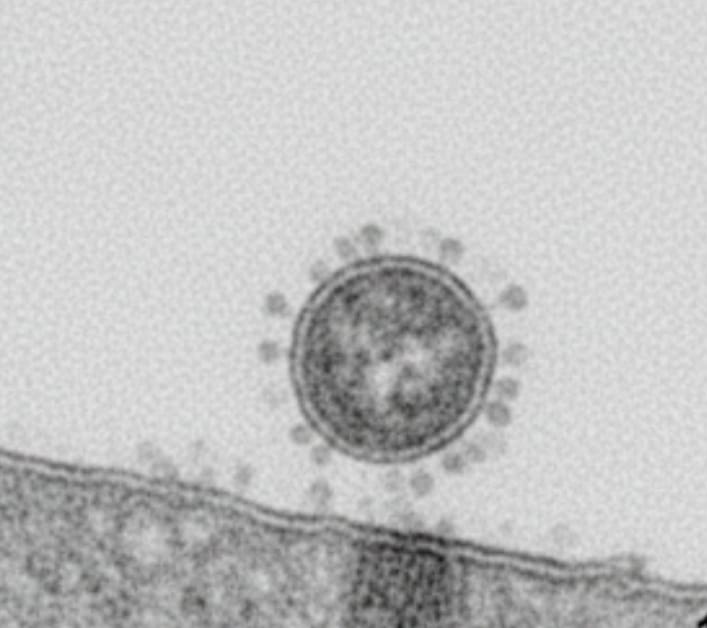
Does herd immunity after the pandemic reduce the risk of new animal coronaviruses emerging?
The circulation of the virus responsible for COVID-19 and mass vaccination campaigns have profoundly altered our immune defenses against related viruses. A recent analysis reveals that antibodies developed after infection or vaccination against SARS-CoV-2 provide cross-protection against other animal-derived coronaviruses. This shared immunity, acquired by a large portion of the population, creates a barrier that limits the ability of new viruses of this type to spread among humans.
Researchers examined how blood from individuals with different immune histories reacted to several animal coronaviruses closely related to SARS-CoV-2. The results show that antibodies present in vaccinated individuals or those previously infected also neutralize these animal viruses, although efficacy varies depending on the degree of genetic similarity between the viruses. For example, antibodies are more effective against viruses most similar to SARS-CoV-2.
Computer simulations were then used to assess the impact of this cross-immunity on the likelihood that a new animal coronavirus, referred to here as SARS-CoV-X, could spread within the population. These models indicate that the risk of such a virus emerging has significantly decreased due to current herd immunity. However, the effectiveness of this protection depends on two key factors: the level of similarity between the viruses and the new virus’s ability to transmit.
Preventive vaccination campaigns using existing vaccines could strengthen this immune barrier, even if SARS-CoV-2 continues to circulate. Conversely, a vaccine that is too specific—designed solely to target SARS-CoV-2 without providing cross-protection—could paradoxically increase the risk of a new virus emerging. By overly reducing the circulation of SARS-CoV-2, such a vaccine would also diminish the natural immunity acquired against other coronaviruses.
These findings highlight the importance of monitoring animal viruses capable of infecting humans and maintaining broad immunity within the population. They also suggest that current vaccines, if used strategically, could play a key role in preventing future epidemics caused by emerging coronaviruses. The speed and scale of the vaccine response remain critical factors in limiting these risks.
Sources
About This Study
DOI: https://doi.org/10.1038/s41467-026-69988-8
Title: Post-pandemic changes in population immunity have reduced the likelihood of emergence of zoonotic coronaviruses
Journal: Nature Communications
Publisher: Springer Science and Business Media LLC
Authors: Ryan M. Imrie; Laura A. Bissett; Savitha Raveendran; Maria Manali; Julien A. R. Amat; Laura Mojsiejczuk; Nicola Logan; Andrew Park; Marc Baguelin; Mafalda Viana; Brian J. Willett; Pablo R. Murcia